Walking Through Brussels’ Most Fragrant Tradition
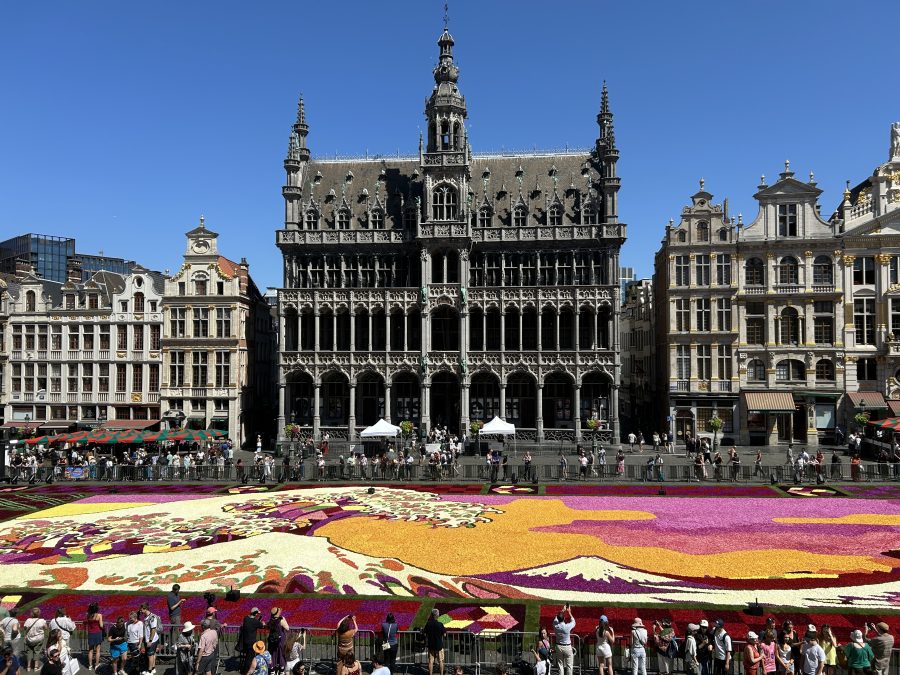
The love of flowers is a universal language that transcends cultures, borders, and generations. Flowers express the finest nuances of emotion — from passionate love and deep gratitude to quiet solace. Around the world, we cultivate gardens, gift bouquets, and find comfort in nature. Their beauty reminds us of the fragility, transience, and extraordinary strength of life, uniting us around something timeless and pure.
One of the most remarkable expressions of this passion is Brussels’ Flower Carpet (Tapis de Fleurs), a beloved tradition held on the historic cobblestones of the Grand-Place.
Over 50 years ago, town councillors Mrs. Van Den Heuvel and Mr. De Rons were admiring a flower carpet created by landscape architect Etienne Stautemas in Audenarde, a small town in Flanders. A simple thought occurred to them: why not bring this concept to the capital? In the summer of 1971, begonias were given a new destiny.
Since 1986, this breathtaking spectacle has taken over the square every two years, spanning 70 meters long by 24 meters wide. Nearly a million begonias, dahlias, grass, and bark — primarily grown by local Belgian farmers — transform the cobblestones into a massive, vibrant tapestry.
Behind this masterpiece lies a highly coordinated effort. Months before the event, artists select a theme, craft the design, calculate flower counts, and map out life-sized patterns. On the day of creation, over a hundred skilled volunteers spend hours placing every single flower and natural element by hand, relying on imagination and teamwork.
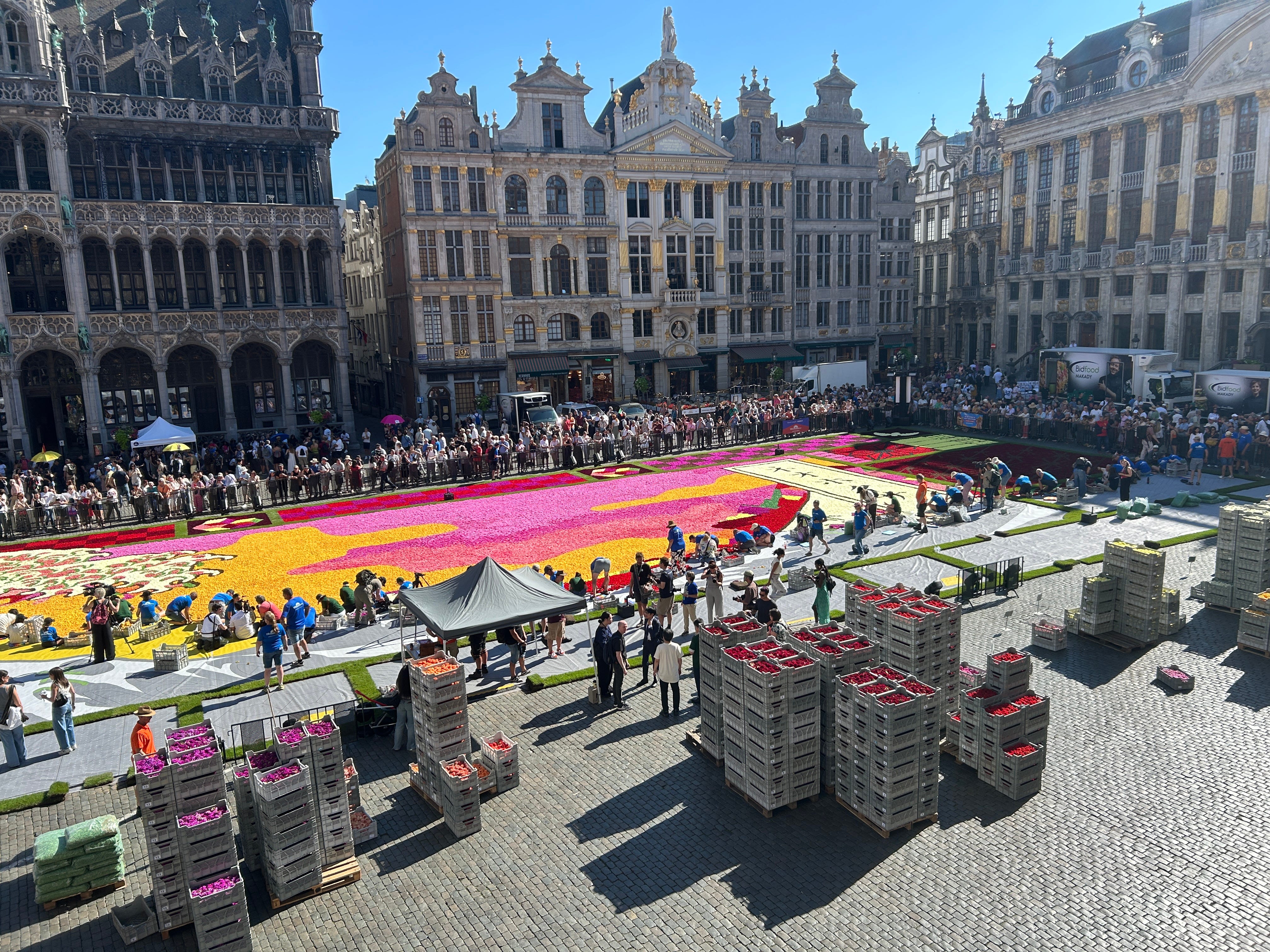
For its 2026 edition, the Flower Carpet commemorates 160 years of friendship between Japan and Belgium with a fresh interpretation of Katsushika Hokusai’s iconic woodblock print, The Great Wave off Kanagawa. Created by the contemporary artist group, led by Hiro Sugiyama, this Neo Hokusai design blends the dynamic energy of modern art with traditional motifs.
“Neo Hokusai builds on Katsushika Hokusai’s bold compositions, vivid colors, and storytelling, layered with geometric lines, contemporary color fields, and computer-enabled precision,” explains Sugiyama. “Through this synthesis, I aim to connect past and future, analog and digital, and Japanese culture and contemporary art.”
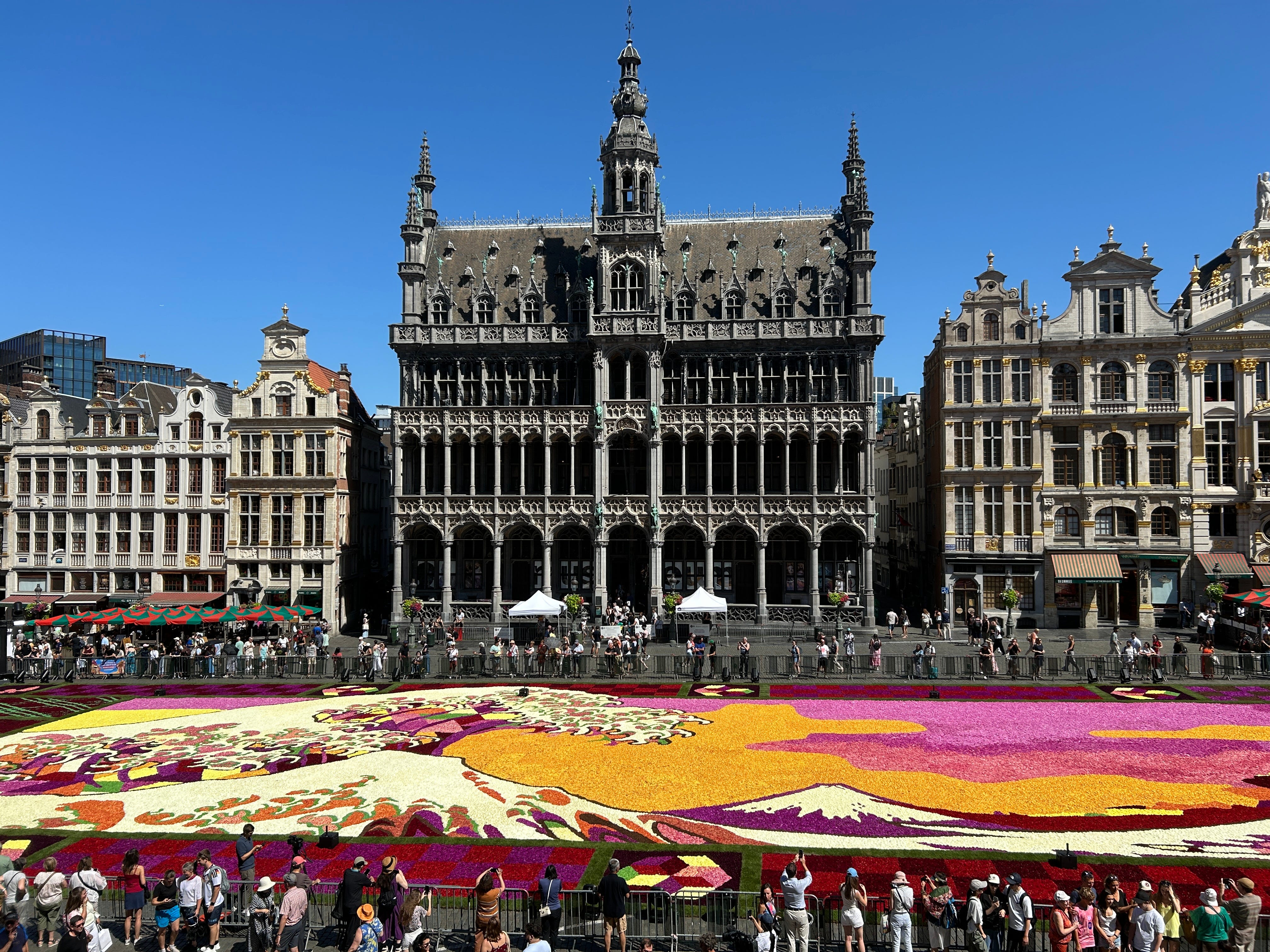
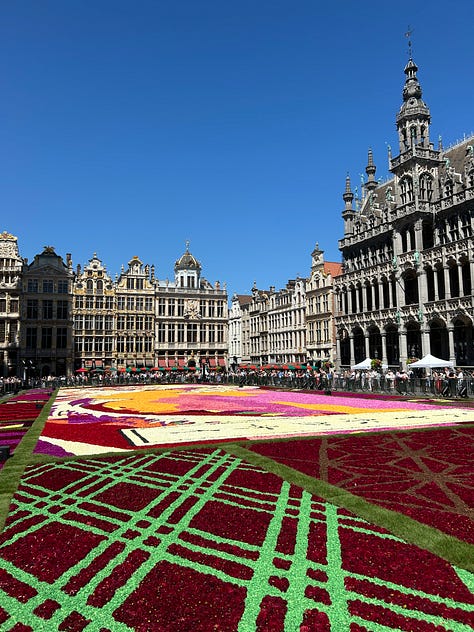
Words can hardly capture the fragrant aroma that fills the air when millions of fresh flowers take over the Grand-Place. The contrast between magnificent Gothic architecture and Japanese motifs, set against vibrant floral hues, creates an unforgettable atmosphere.
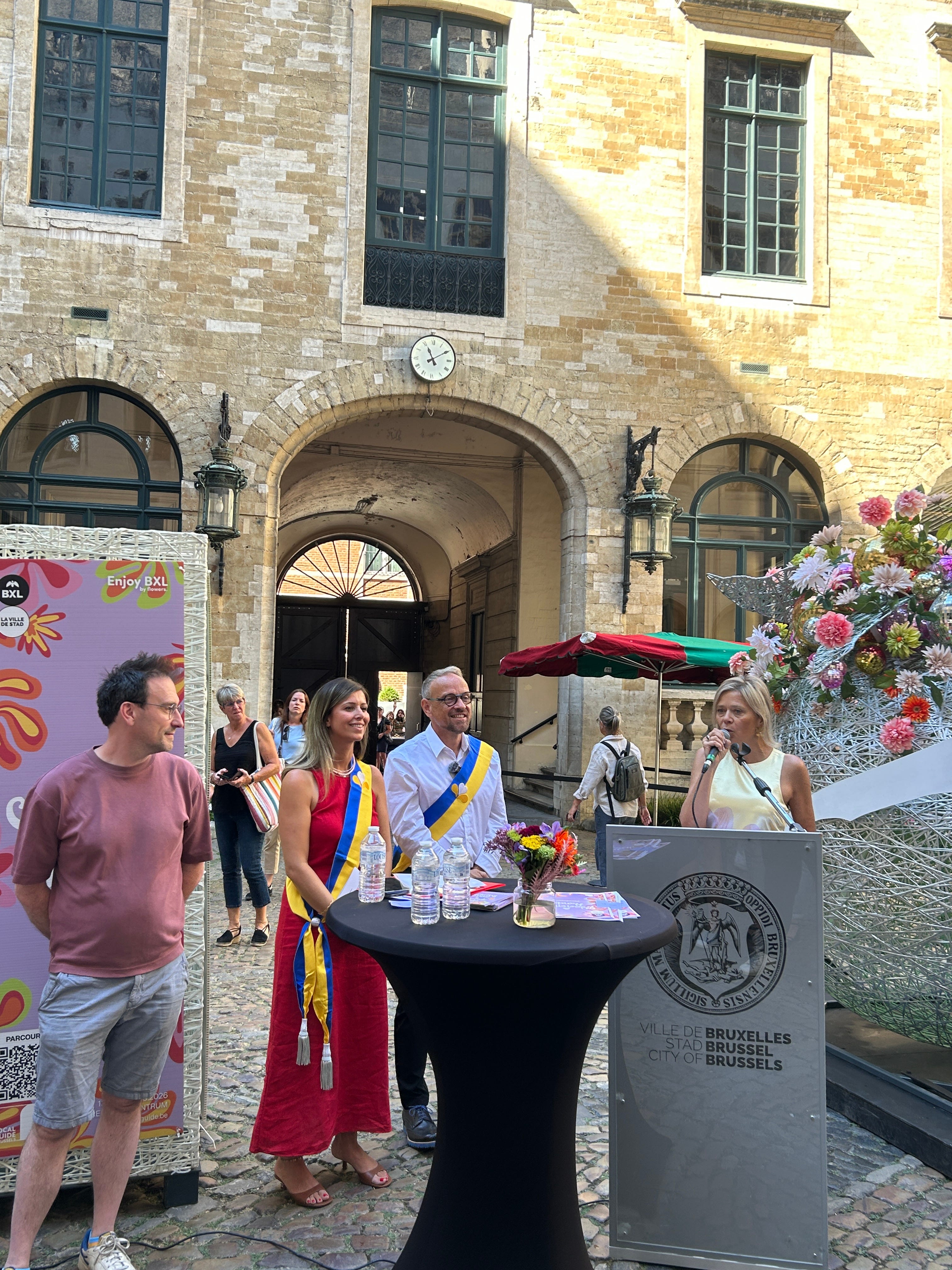
As Didier Wauters, Alderman for Economic Affairs and Board Member of the Brussels Flower Carpet association, puts it: “With the Flower Carpet, we tap into the very soul of Brussels in flower — a unique event where heritage and creativity come together. For many years, the Flower Carpet has put Brussels on the international map and attracted thousands of visitors.”
The Flower Carpet is far more than an artistic display — it is a fleeting moment where heritage, nature, and human creativity intertwine, leaving an imprint on the heart long after the last petal fades.
Olga Kyrylova


You must be logged in to post a comment.