Comigo ninguem pode: Brazilian culture at La Biennale di Venezia
Installation view of the Brazilian Pavilion at the 61st International Art Exhibition — La Biennale di Venezia Photo credits_ Rafa Jacinto _ Fundação Bienal de São Paulo
The São Paulo Biennial Foundation announces Diane Lima as curator of the Brazilian Pavilion at the 61st International Art Exhibition – La Biennale di Venezia, which take place from 9 May to 22 November 2026.
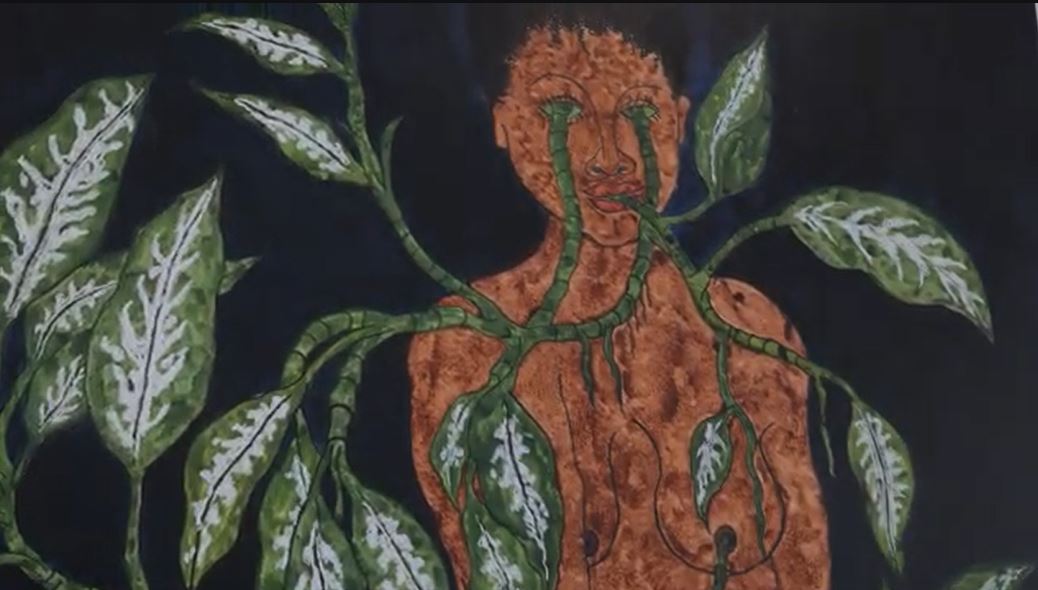
The artists Rosana Paulino and Adriana Varejão, selected by the curator, are part of the curatorial project “Comigo ninguém pode” — the Portuguese name for the Dieffenbachia plant, which also echoes a popular saying, and can be understood as “nobody can control me” or “nobody can defeat me”. The title draws on these ambiguities as a metaphor for protection, toxicity and resilience. The proposal highlights the dialogues that run through the careers of both artists, in which reflections on colonial wounds and the rewriting of history give rise to constant processes of metamorphosis, articulating new possibilities for imagination and poetic liberation.
Interview with the Brazilian Ambassador to Italy Renato Mosca de Souza.
“Being chosen to curate the Brazilian Pavilion in Venice is an honor and a great responsibility,” says Diane Lima. “Together, Paulino and Varejão historically represent the most revolutionary aspects of the presence of women in the field of national art. Their poetics, in harmony and friction, echo the struggles of social movements and democracy, without ever losing the sensitive capacity to amaze and surprise us with high-level technical quality. Along with the ideas of protection and toxicity, Comigo ninguém pode, as a popular saying, also refers to the process of transferring knowledge about nature to the realm of life, thus reflecting a process of collective manifestation that happens naturally when ‘me’ becomes ‘us,’ becomes many, and an entire nation, which uses its wisdom as a form of defense and sovereignty,” she says.
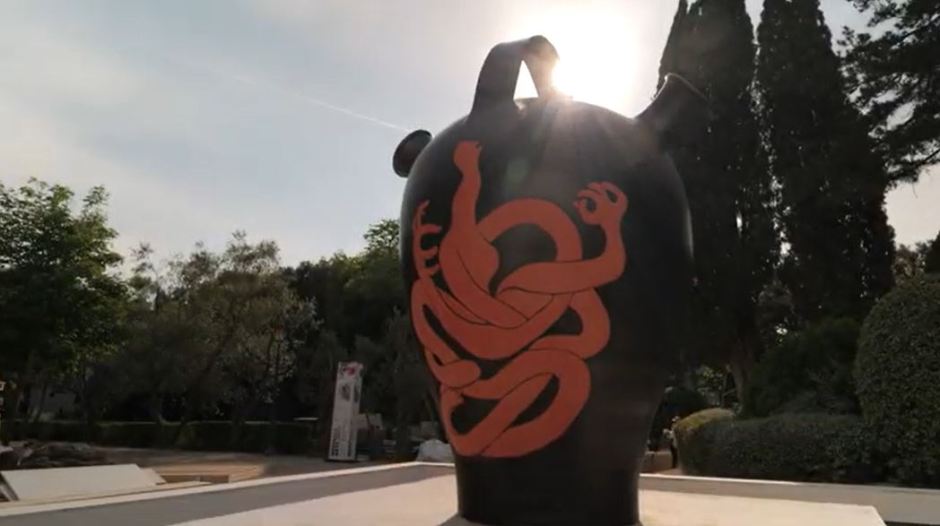
“Rosana Paulino’s work and mine intersect in the power of colonial wounds, a subject that structures the DNA of our works and runs through our research in a visceral way,” says Adriana Varejão. “I hope to develop a unique dialogue with Rosana that also connects with the architecture of the Pavilion, expanding the possibilities of our artistic paths,” she adds. For Rosana Paulino, “being in the Brazilian Pavilion in Venice, alongside Adriana Varejão, is an opportunity to investigate colonial wounds from different female perspectives that come together in an unprecedented dialogue. This encounter proposes a revision of art history by questioning the canon and recovering silenced memories, paving the way for new possibilities for the future.”
Since 2023, the selection process for the curatorial and artistic proposals for the Brazilian Pavilion has adopted an evaluation system composed of a committee of representatives from the three organizing bodies – the Ministry of Culture, the Ministry of Foreign Affairs, and the Fundação Bienal de São Paulo – which analyzes proposals from invited curators, making for a more open
and participatory process.
“The curatorship of Diane Lima, with the presence of Rosana Paulino and Adriana Varejão, reaffirms the power and complexity of Brazil’s output on the international stage,” says Andrea Pinheiro, president of the Fundação Bienal de São Paulo. “This announcement coincides with the investment in the recovery of our Pavilion and renews the institutional commitment to present a
project in Venice that is worthy of the global debate to which Brazil has a contribution to make,” she concludes.
Henry Borzi


You must be logged in to post a comment.